
Okefenokee Expedition: Day 3
Saturday Series

In December, I went on a 3 day camping expedition to the Okefenokee Swamp in South Georgia. Stephen C. Foster is what is called a certified Dark Zone which means that there is no light pollution. The point of this expedition was to both stargaze and learn about the swamp culture. For this journey, I set a rule of no phone use for the entirety of the trip, instead relying on roadmaps, journals, and a small digital camera. Inspired by explorer and naturalist John Muir, I recorded the entire trip in journal entries. Each entry will have a timestamp, and most will have a corresponding picture. All pictures in this series are from my digital camera unless the caption says otherwise. Thank you and enjoy day 3 of my Okefenokee Expedition.
11:49 am
I broke camp much later than expected. Better to be fully rested for the long journey back home. My route is mapped and I’m ready to go.
12:21 pm
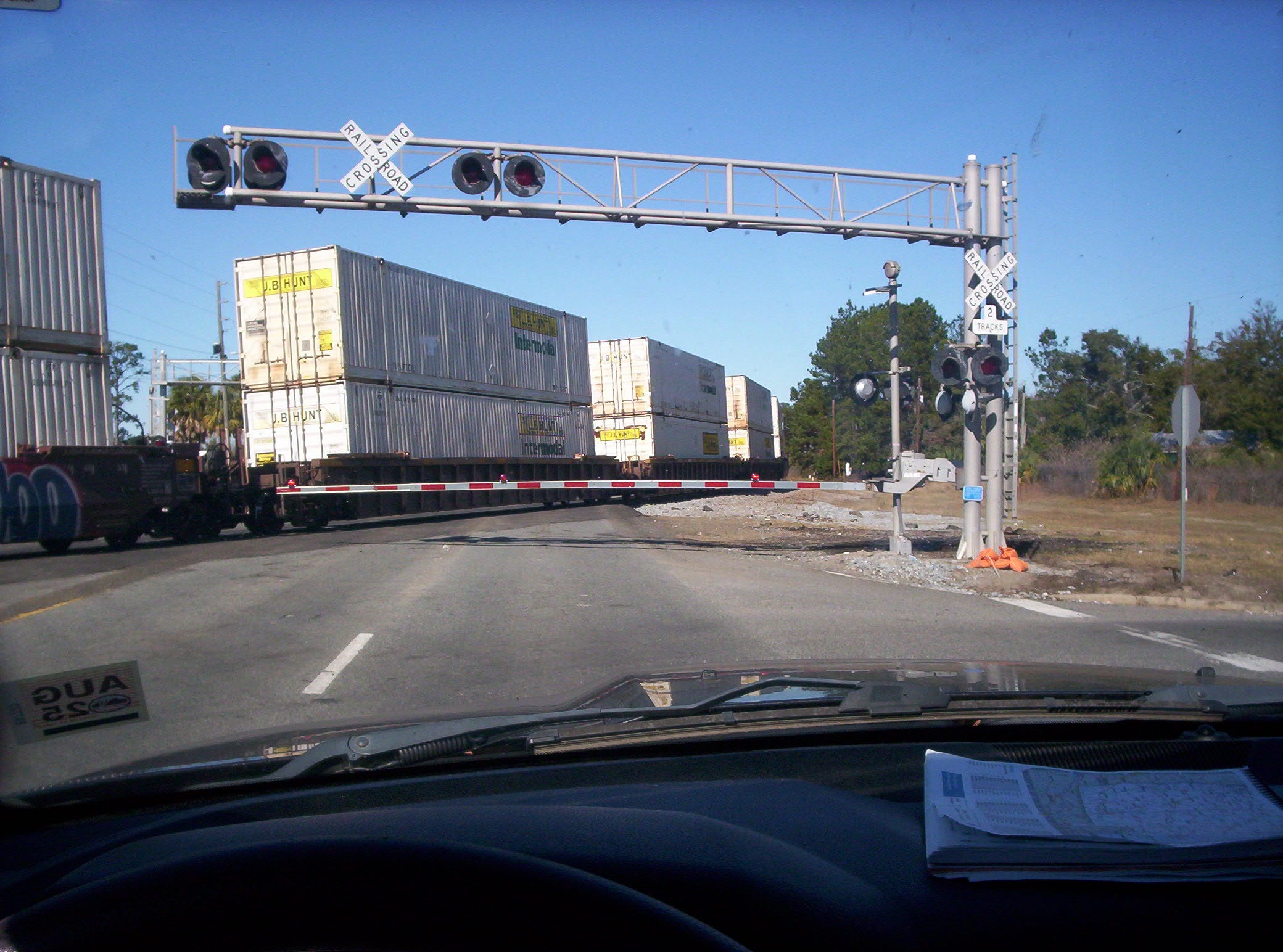
I’m sitting at a railroad crossing in Waycross, GA where a train has been stopped for 1:31about 20 minutes. All the people are either turning around or cutting in the road next to me. I’m pretty patient so I would much rather wait it out and use this as an opportunity to write. After all, that’s why I planned this expedition.
1:31 pm
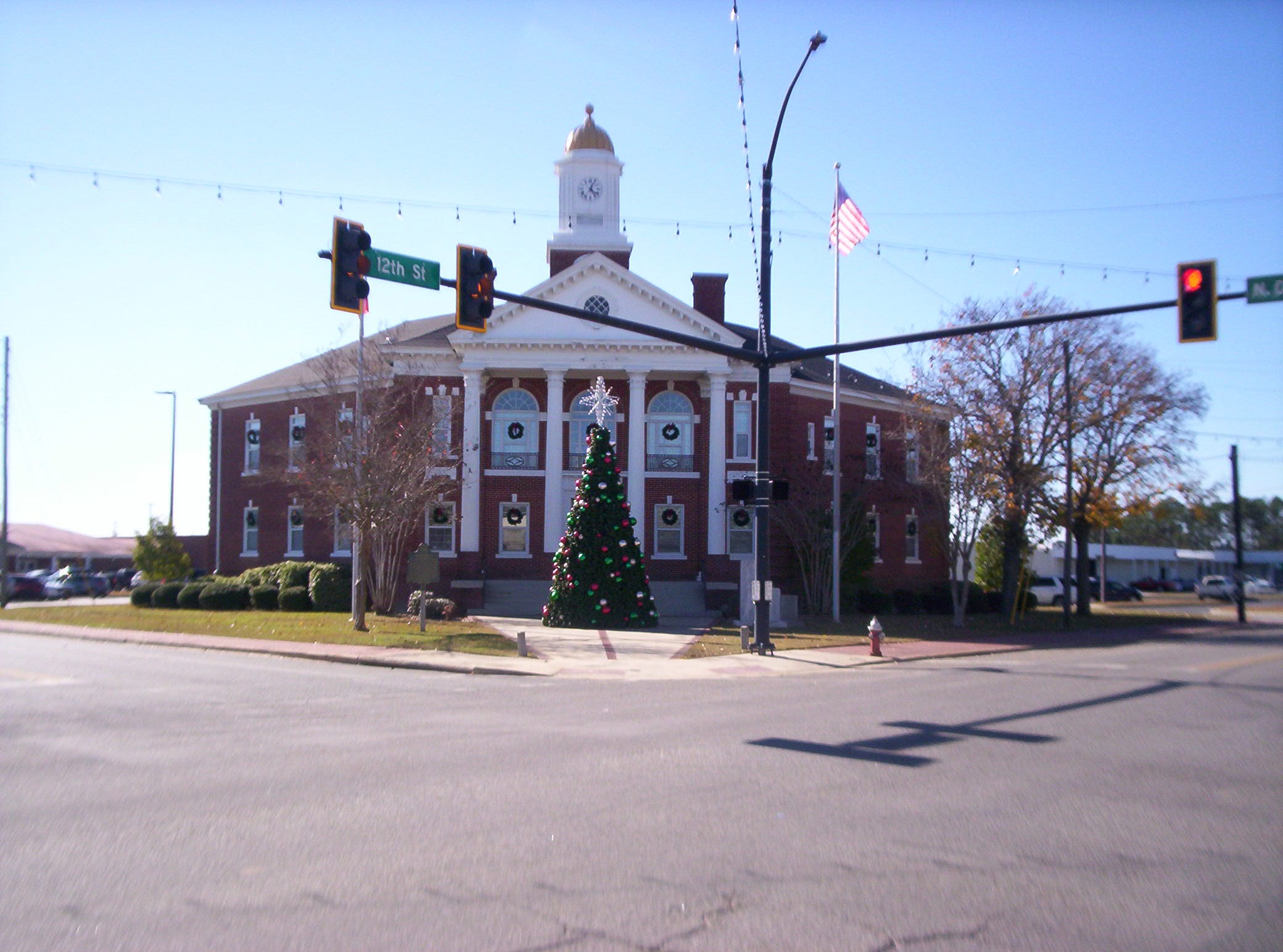
I’m in Alma, GA getting lunch. The downtown is very walkable though there weren’t many businesses. There is a nice theater though. The Bacon County courthouse stands in a grand stature. The clocktower on top of it prominently displays the time for people like me who don’t carry a smartphone.
2:47 pm
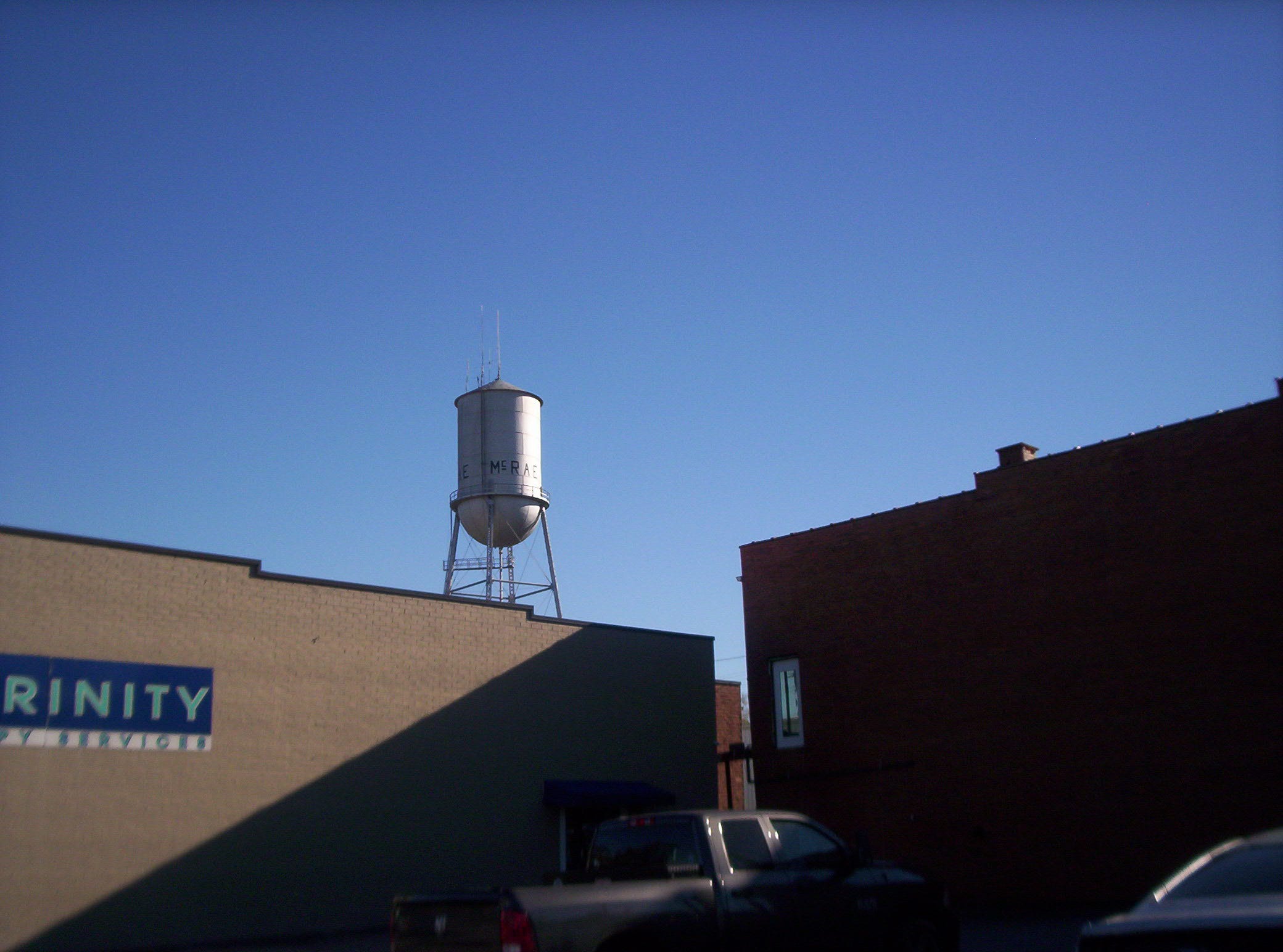
I’m in McRae, GA which is the seat of Telfair County. To get here from Alma, I once again had to go through Hazlehurst and Lumber City where that fire is still burning. There just is not much of note here. A major highway goes through the heart of downtown which I’ve never been a fan of. There is a really nice vintage water tower though.
3:02 pm
I’ve decided to take a pit stop at Little Ocmulgee State Park in Wheeler County. Like so many parks, it was constructed by the Civilian Conservation Corps (CCC) in 1936. The park itself was designed in a rustic fashion. Originally, a lake, picnic shelters, cabins, and bathhouses were built. In later years, a lodge, campground, and golf course were added.
8:26 pm
I have finally arrived home after spending all day on the road. After reflecting on the last several days, the biggest lesson I learned was that nobody truly needs a smartphone. All it does is distract from the beauty around you. Plus, everything done on a smartphone can also be done on a laptop. I was able to navigate with my road atlas and the road signs just fine; I didn’t get lost once. My digital camera is and looks old, but I got plenty of good pictures. It makes me want to go phoneless on future expeditions.
Thank you for reading part 3 of this Saturday Series. If you support small grassroots writers, please consider donating $10 a month, we are a reader funded publication. This series was an amazing experience to write and I’m glad I got to share it with you.
Fun trip!